Melbourne: A City of Continuous Urban Change and Opportunity
The Evolving Landscape of Melbourne
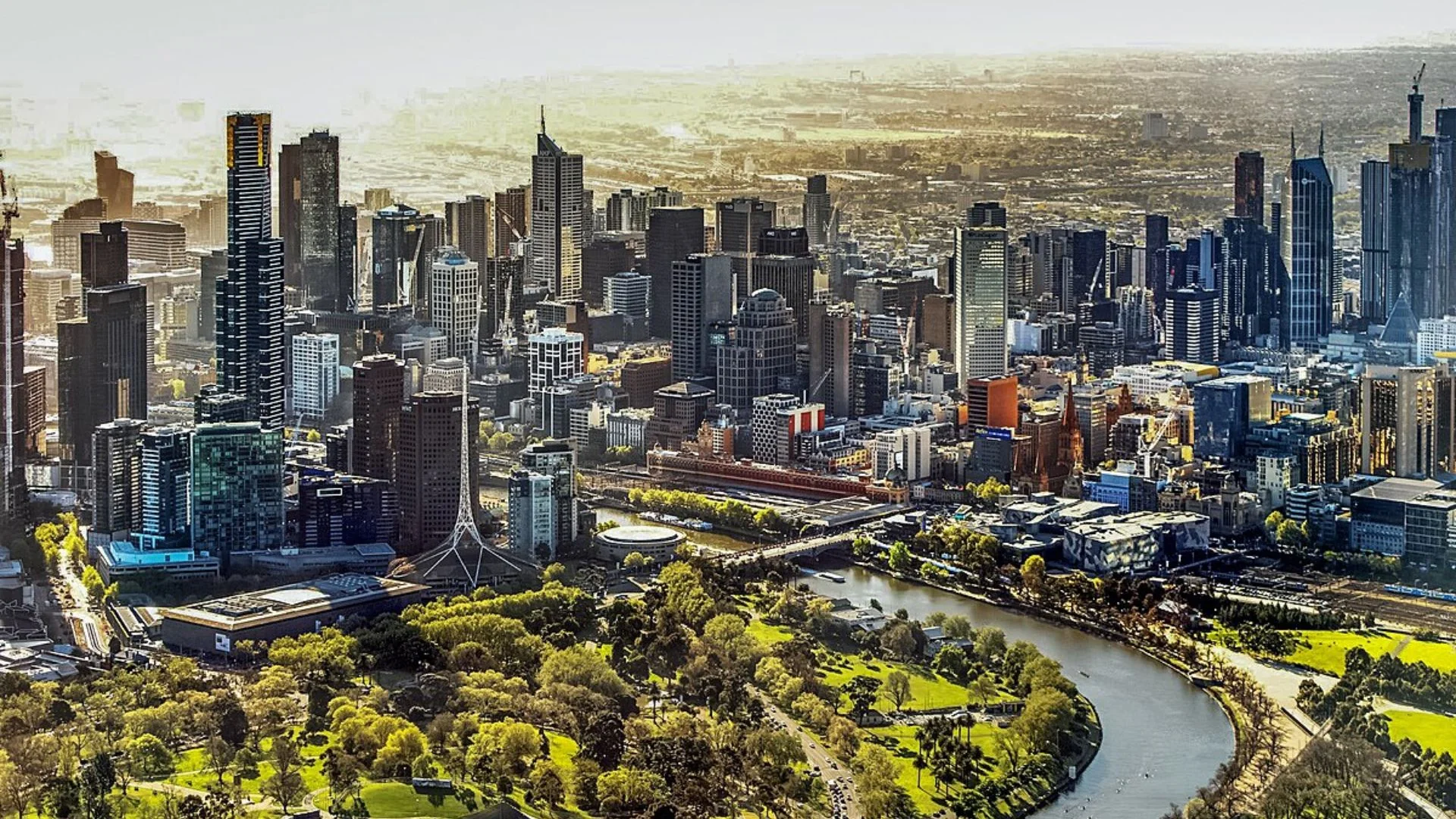
Melbourne has grown into a major Australian metropolitan center shaped by constant development, population movement, and ongoing improvements in urban planning. The city reflects a dynamic environment where residential areas, commercial zones, and public infrastructure continuously adapt to meet the needs of a rising population. Across different districts, Melbourne presents a mix of dense inner-city regions and wider suburban spaces, each offering its own way of living. The city is known for its structured layout, accessible public services, and consistent investment in modernization projects. People living here benefit from a wide range of facilities including transport, healthcare, education, shopping, and recreational spaces. Over time, Melbourne has transformed into a highly functional urban ecosystem that supports both economic activity and comfortable living. Its ability to evolve with changing demands makes it one of the most significant cities in Australia. Continuous development ensures that Melbourne remains relevant, active, and attractive for long-term settlement and investment.
Population Movement and Housing Demand
One of the key drivers of Melbourne’s growth is the steady movement of people into the city from other regions and countries. This population increase has created strong demand for housing across both inner suburbs and outer residential zones. Developers are responding by building new housing estates, apartment complexes, and mixed-use communities designed for modern lifestyles. These developments often include essential amenities such as schools, parks, retail areas, and transport links to improve convenience for residents. Many families prefer suburban areas where space is larger and living conditions are quieter, while professionals often choose central locations for proximity to workplaces. As demand continues to rise, infrastructure expansion becomes essential to support sustainable growth. Public utilities, road systems, and transport services are regularly upgraded to match residential expansion. This ongoing cycle of development and demand shapes the overall structure of Melbourne’s urban environment.
Business Activity Across Metropolitan Melbourne
Melbourne functions as a strong economic hub where diverse industries contribute to continuous commercial activity throughout the year. Sectors such as finance, construction, retail, hospitality, education, and technology all play an important role in supporting the city’s economy. Business districts are active with offices, service providers, and retail establishments that serve both local residents and visitors. The city’s infrastructure supports efficient business operations by offering reliable transport, communication systems, and access to skilled workers. Many companies choose Melbourne due to its stable economic environment and growing consumer base. Small businesses and large corporations coexist within the same urban landscape, creating a balanced commercial ecosystem. Investment in new developments continues to strengthen business opportunities across different sectors. This consistent economic activity helps maintain Melbourne’s position as one of Australia’s leading business cities.
Culture, Events, and Everyday City Life
Daily life in Melbourne is shaped by a wide range of cultural influences, entertainment options, and community-based activities. The city offers theaters, galleries, restaurants, music venues, and sports arenas that keep the urban environment active throughout the year. Residents regularly participate in festivals, exhibitions, and public events that highlight creativity and cultural expression. Dining experiences across the city reflect international influences, making Melbourne a diverse culinary destination. Public spaces such as parks, gardens, and waterfronts provide areas for relaxation and social interaction. Sporting events attract large audiences and contribute to the city’s identity as a major entertainment destination. The combination of cultural activities and recreational facilities creates a balanced lifestyle for people living in Melbourne. This vibrant social environment is one of the key reasons the city remains highly attractive to newcomers.
Movement and Transport Infrastructure
Transportation plays a central role in connecting different parts of Melbourne and supporting its daily functioning. The city’s tram system is widely recognized and forms an essential part of public mobility across urban areas. Alongside trams, trains and bus networks help connect suburbs with central business districts and other key locations. Road systems also support private and commercial travel across the metropolitan region. Efficient transport allows residents to commute easily between home, work, and leisure destinations. Melbourne Airport enhances connectivity by linking the city to domestic and international destinations. Continuous upgrades to transport infrastructure help improve efficiency and reduce congestion in busy areas. These systems collectively ensure that movement within the city remains smooth and accessible. Transport development remains a key priority in maintaining Melbourne’s urban growth.
Learning Institutions and Academic Influence
Education is a major aspect of Melbourne’s identity, with numerous institutions attracting students from around the world. Universities and colleges offer programs in fields such as business, engineering, healthcare, arts, and information technology. The presence of international students adds to the city’s cultural diversity and supports the local economy. Educational facilities are supported by libraries, research centers, and student services that enhance academic life. Many students choose Melbourne for its combination of quality education and urban lifestyle opportunities. The academic environment also encourages research, innovation, and professional development across multiple sectors. Student populations contribute to housing demand, transportation usage, and local business activity. This strong educational foundation helps position Melbourne as a global learning destination.
Community Diversity and Social Fabric
Melbourne is widely recognized for its multicultural population, which contributes significantly to the city’s identity and social structure. People from different cultural backgrounds live and work together, creating a diverse and inclusive urban environment. This diversity is reflected in food, festivals, languages, and community events across the city. Local neighborhoods often showcase different cultural influences that shape everyday life. Community organizations and cultural programs help encourage interaction and understanding among residents. This multicultural environment supports creativity and innovation in various sectors including business and the arts. It also enhances the city’s global appeal by attracting visitors and new residents from around the world. The strong social fabric of Melbourne continues to grow as more people settle in the city.
Building Works and City Development Projects
Construction activity is a constant feature of Melbourne’s development as the city expands and modernizes. Residential, commercial, and infrastructure projects are carried out across different regions to support urban growth. Builders, engineers, and planners work together to design and construct new facilities that meet the needs of the population. Roads, bridges, public buildings, and housing developments are continuously improved or expanded. These projects help support economic activity by creating jobs and encouraging investment. Older structures are also upgraded to meet current safety and efficiency standards. Urban development ensures that Melbourne remains functional and adaptable as it grows. This ongoing construction activity plays a major role in shaping the city’s future structure.
Tourism Appeal and Visitor Economy
Melbourne attracts visitors from both Australia and overseas due to its wide range of attractions and urban experiences. Tourists explore shopping districts, cultural landmarks, entertainment venues, and recreational spaces throughout the city. Major events and festivals draw large crowds and contribute to the city’s international reputation. Hospitality services such as hotels, restaurants, and tour operators benefit from consistent visitor activity. Public transport systems make it easy for tourists to navigate the city and explore different areas. Melbourne’s multicultural environment also adds to its appeal by offering diverse experiences in food and entertainment. The visitor economy supports many local businesses and contributes significantly to overall economic activity. Tourism remains an important part of Melbourne’s identity and financial stability.
Future Outlook for Melbourne
The future of Melbourne is shaped by ongoing development, population growth, and continuous investment in infrastructure and services. As more people move into the city, demand for housing, transport, and business facilities is expected to increase. Government planning and private investment play a key role in managing this growth effectively. Improvements in sustainability, technology, and urban design are expected to influence future development patterns. The city’s strong economy and diverse industries support long-term stability and expansion. Educational institutions, cultural diversity, and tourism will continue to contribute to Melbourne’s global recognition. Urban planning strategies focus on balancing growth with livability and environmental responsibility. Melbourne is expected to remain a major Australian city with strong opportunities for residents and businesses alike.
